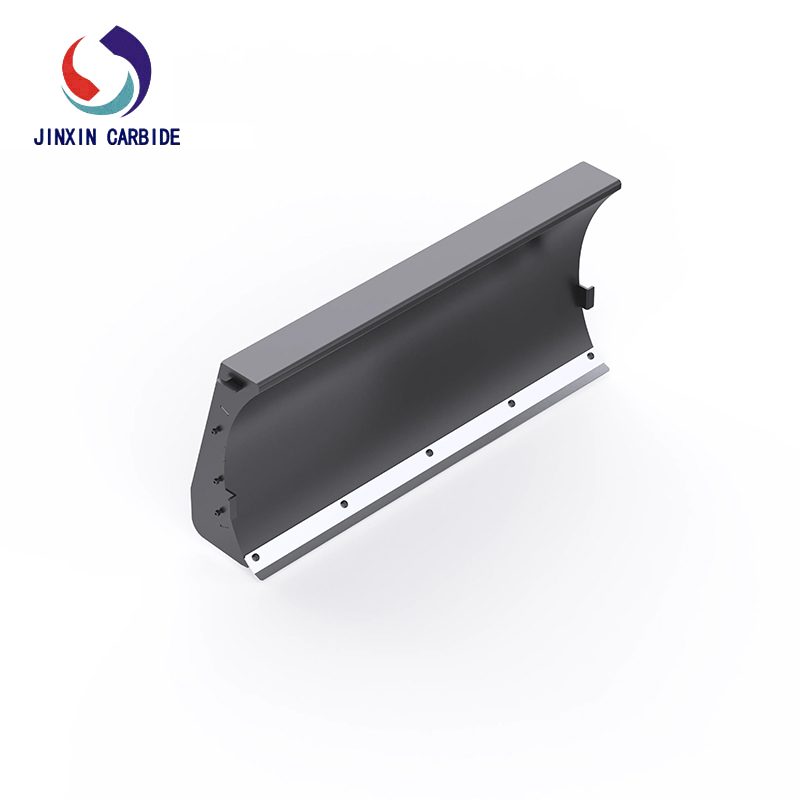
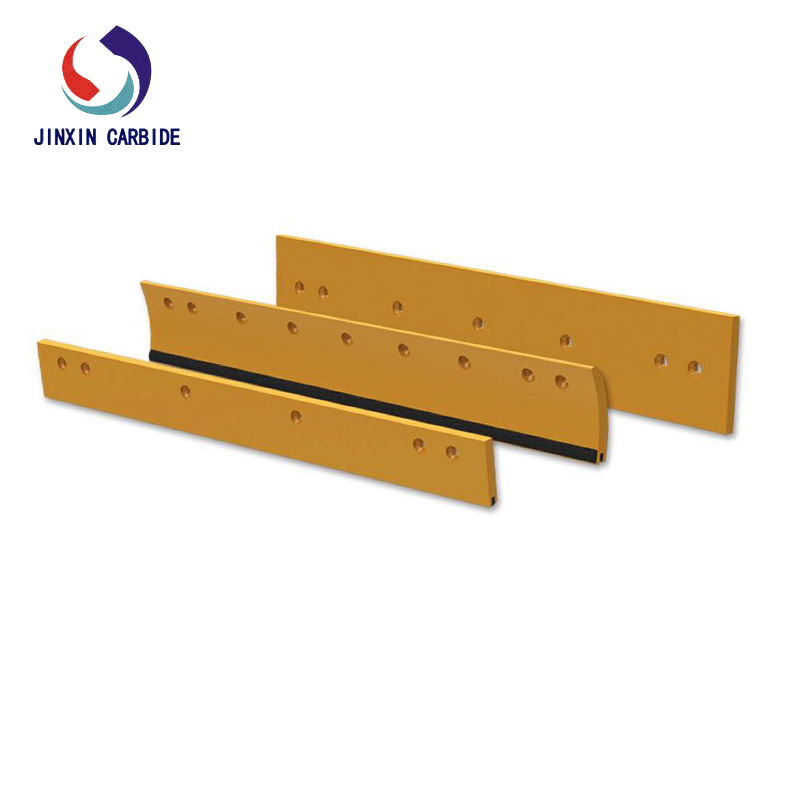
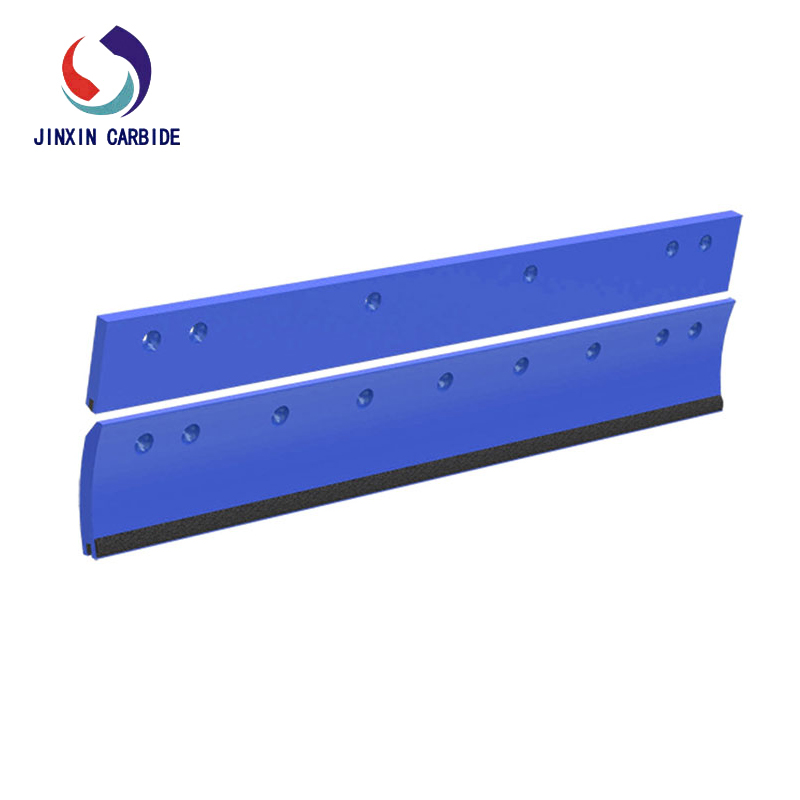
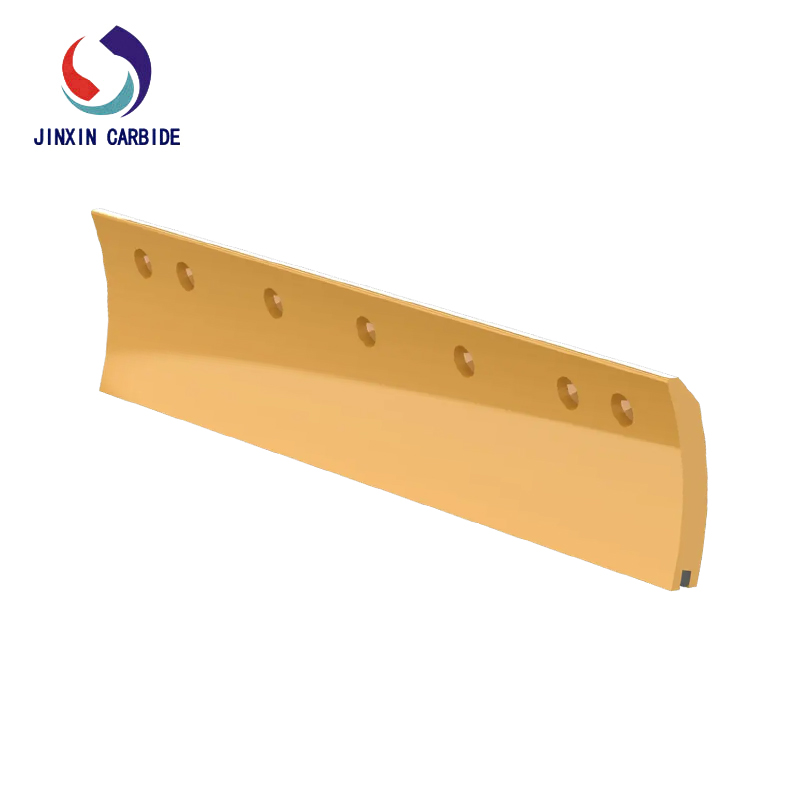
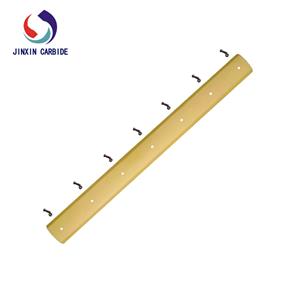
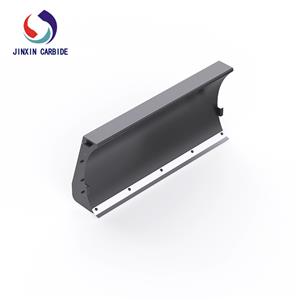
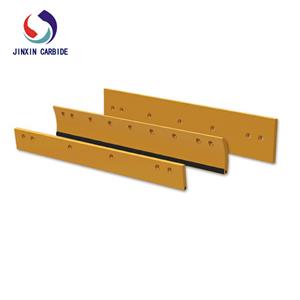
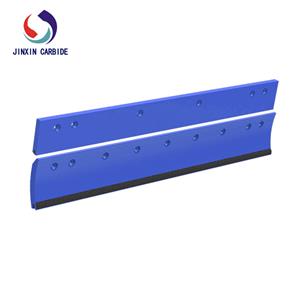
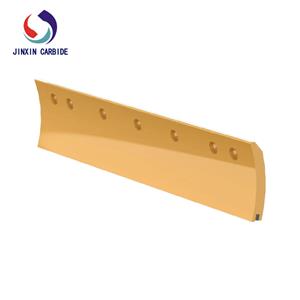
Slitesterk snøplog av polyetylen for snørydding
Merkenavn : JINXIN
Opprinnelsessted : Zhuzhou
MOQ : 2 stk
Emballasjedetaljer : Generell emballasje/trekasse
Leveringstid : 20–25 dager
Forsyningsevne : 30 000–50 000 stk per måned
Materiale : poly/poly+wolframkarbid
Våre snøploger i polyuretan brukes mye i kommunal og kommersiell snørydding, og gir stabil ytelse på byveier, parkeringsplasser og boligområder.
Product Overview
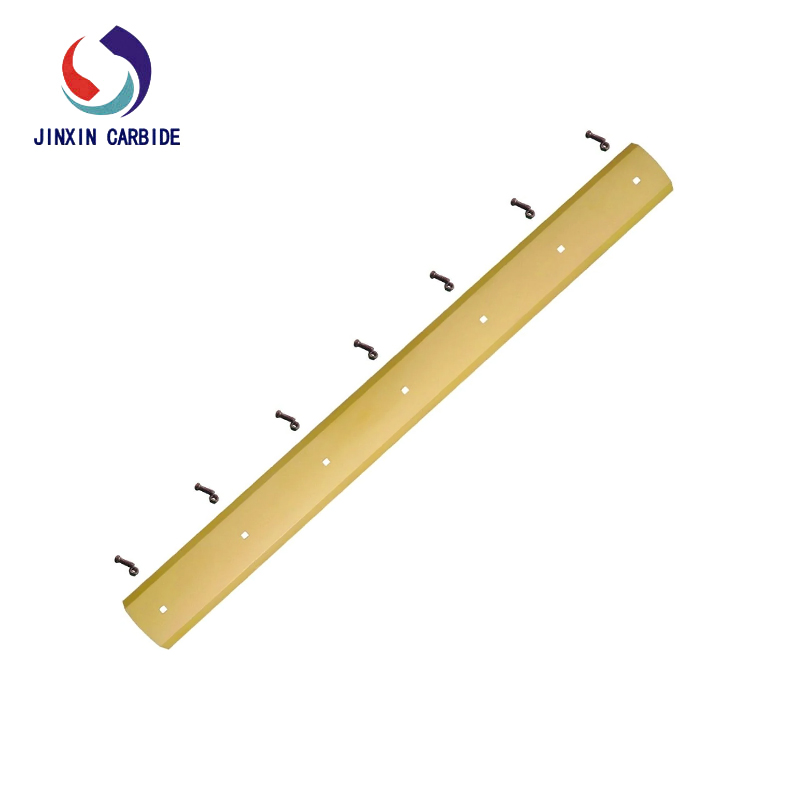
The poly snow plow cutting edge is designed for reliable and efficient snow removal in various working conditions. As a modern alternative to traditional materials, the poly snow plow cutting edge combines flexibility, durability, and surface protection.
A high-quality poly snow plow cutting edge is widely used in snow plow systems where reduced pavement damage is required. Compared with standard options, the poly snow plow cutting edge maintains stable ground contact and improves overall scraping performance.
In many applications, a poly cutting edge or poly plow cutting edge is preferred due to its balanced performance. The polyurethane cutting edge structure allows the blade to adapt to uneven surfaces while maintaining consistent operation.
For contractors, choosing a poly snow plow blade with a reinforced poly snow plow cutting edge helps improve efficiency and reduce maintenance frequency.
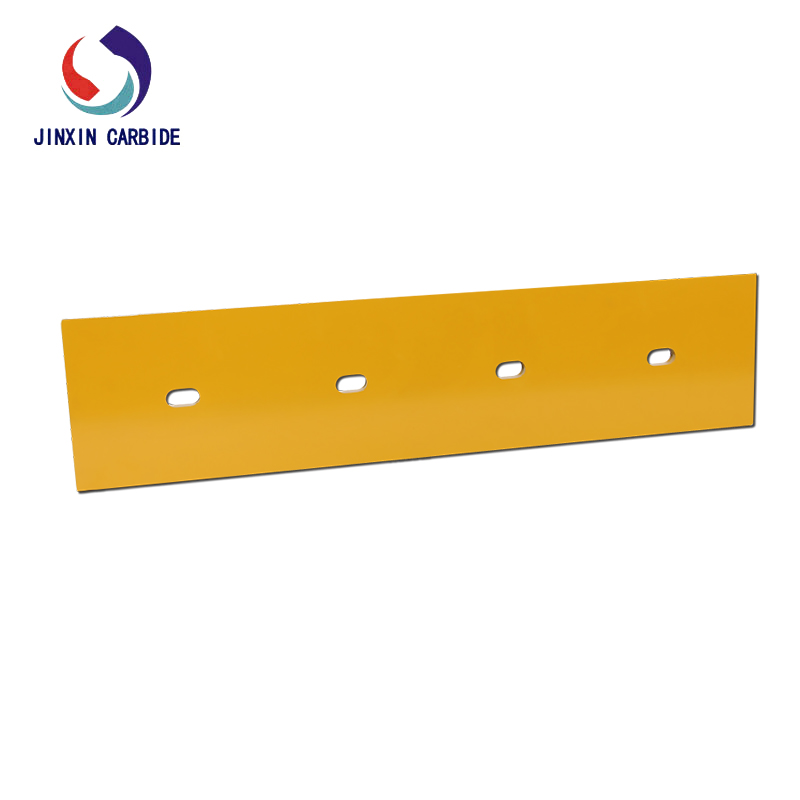
Key Advantages Poly Snow Plow Cutting Edge
Wear Resistance
The poly snow plow cutting edge provides reliable wear resistance for continuous snow removal. Compared with standard rubber, a polyurethane cutting edge offers improved durability.
Surface Protection
A major advantage of the poly snow plow cutting edge is reduced surface damage. The flexible poly cutting edge ensures safer operation on asphalt and decorative pavement.
Flexible Performance
The poly snow plow cutting edge adapts well to uneven surfaces. A poly plow cutting edge maintains consistent scraping, even in changing road conditions.
Low Noise Operation
Compared with metal edges, the poly snow plow cutting edge operates with less noise, making it ideal for urban and residential environments.
Operating Performance
In demanding environments, the poly snow plow cutting edge can be upgraded with carbide reinforcement. This enhanced poly snow plow cutting edge improves durability and extends service life.
A reinforced polyurethane cutting edge is especially suitable for:
High-abrasion conditions
Sand and gravel environments
Frequent snow removal operations
Combining a poly snow plow blade with a reinforced poly snow plow cutting edge provides both flexibility and long-term durability.
Typical Applications
The poly snow plow cutting edge is widely used in:
Municipal road maintenance
Parking lots and commercial areas
Residential streets
Light to medium-duty snow removal
A poly cutting edge or poly plow cutting edge is ideal for applications requiring surface protection and stable performance.
Selection Tips
When selecting a poly snow plow cutting edge, users should consider working conditions and usage frequency. A standard poly snow plow cutting edge is suitable for general applications, while a reinforced polyurethane cutting edge is recommended for higher wear environments.
Choosing the right poly snow plow blade with a properly matched poly snow plow cutting edge helps improve efficiency and extend service life.
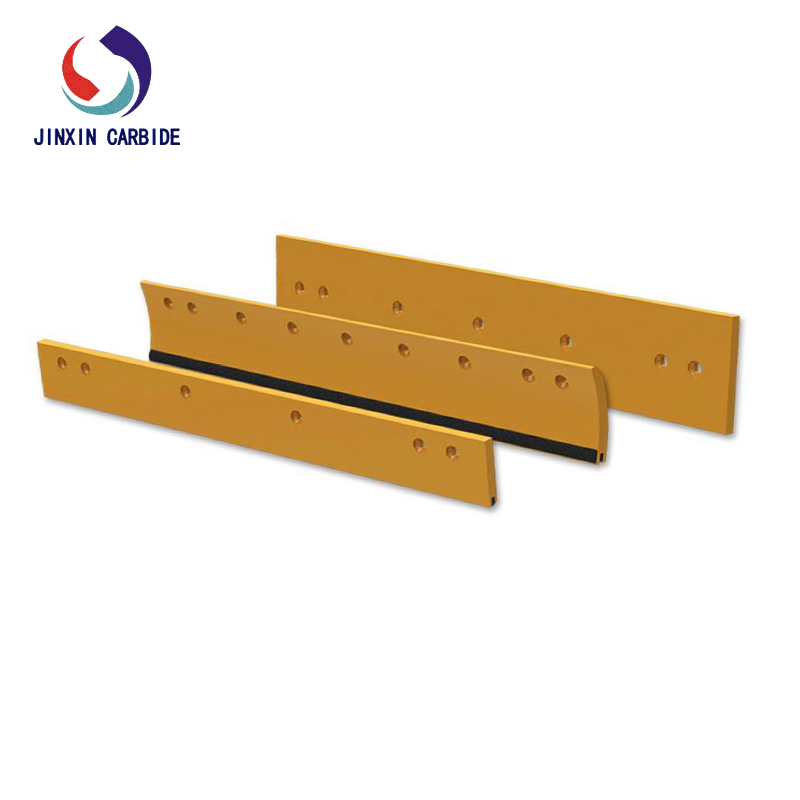
FAQ
1. What is a poly snow plow blade?
A poly snow plow blade is a snow removal blade manufactured from polyethylene materials. It is designed to provide flexible contact with the road surface while reducing noise and minimizing damage to pavement.
2. In what environments are poly snow plow blades commonly used?
Poly snow plow blades are commonly used in urban streets, parking lots, sidewalks, residential areas, airports, and commercial facilities where surface protection and quieter operation are important.
3. What are the typical sizes of poly snow plow blades?
Common blade widths range from approximately 1500 mm to 3600 mm, depending on the type of vehicle and snow removal application. Custom sizes can also be produced based on specific equipment requirements.